Sports Massage: Post-Round Recovery
Focuses on high-stress golf movement areas like hips, glutes, shoulders, and lower back to ease post-round fatigue and improve flexibility.

- STARTING OCTOBER 1ST -
WE MOVED TO:
125 Co-Op Rd, Myrtle Beach, SC 29588
PHONE: (843) 796 1769
STARTING OCTOBER 1ST - VISIT US AT OUR NEW LOCATION - 125 Co-Op Rd, Myrtle Beach, SC 29588
A full round of golf can be surprisingly demanding. Between repeated swings, long periods of standing or walking, and hours spent rotating through the hips and upper body, it is common to finish the day feeling tight in places you did not notice on the first tee.
For Myrtle Beach golfers, several rounds packed into a weekend or golf trip can make that soreness more noticeable. Massage can be one way to support recovery and relaxation.
Two options golfers often consider are sports massage and deep tissue massage. They overlap, but they are not exactly the same. The better choice depends on how your body feels, what you want from the session, and whether you are dealing with general post-round soreness or persistent areas of tension.
At Coastal Aesthetics & Wellness in Carolina Forest, massage sessions are customized around your comfort, pressure preferences, and focus areas. Here is how sports massage and deep tissue massage compare for Myrtle Beach golfers.
Myrtle Beach Golfer's Guide
Both sports massage and deep tissue massage support recovery for golfers, but they target different needs. The ideal choice depends on whether you are recovering from recent rounds or addressing persistent muscle tension.
Focuses on high-stress golf movement areas like hips, glutes, shoulders, and lower back to ease post-round fatigue and improve flexibility.
Uses firm, targeted pressure to break up long-standing tight spots in deeper muscle layers, whether from golf, travel, or daily desk work.
Schedule sessions after rounds or on rest days. Avoid intense deep tissue immediately before teeing off to prevent temporary tenderness.
You don't have to choose just one—sessions at Coastal Aesthetics & Wellness can combine techniques to match your exact playing schedule and pressure preference.
Golf asks the body to repeat a powerful rotational movement over and over. Your swing depends on coordinated movement through the feet, legs, hips, torso, shoulders, arms, and hands. Add time on the range, practice swings, walking the course, and sitting in a cart, and a long day can leave several muscle groups feeling fatigued.
Golfers may notice tightness around the lower back, glutes, hips, shoulders, forearms, calves, and feet. Travel and several consecutive playing days can make normal stiffness more noticeable.
Massage is not a substitute for medical evaluation when pain is sharp, severe, unexplained, or associated with an injury. For ordinary muscle tightness and post-exercise soreness, however, massage may be a useful part of a broader recovery routine.
Mayo Clinic notes that massage may help lessen pain and muscle tightness while promoting relaxation. Research also suggests that sports massage may provide small improvements in flexibility and delayed-onset muscle soreness, although it has not been shown to directly improve athletic performance.
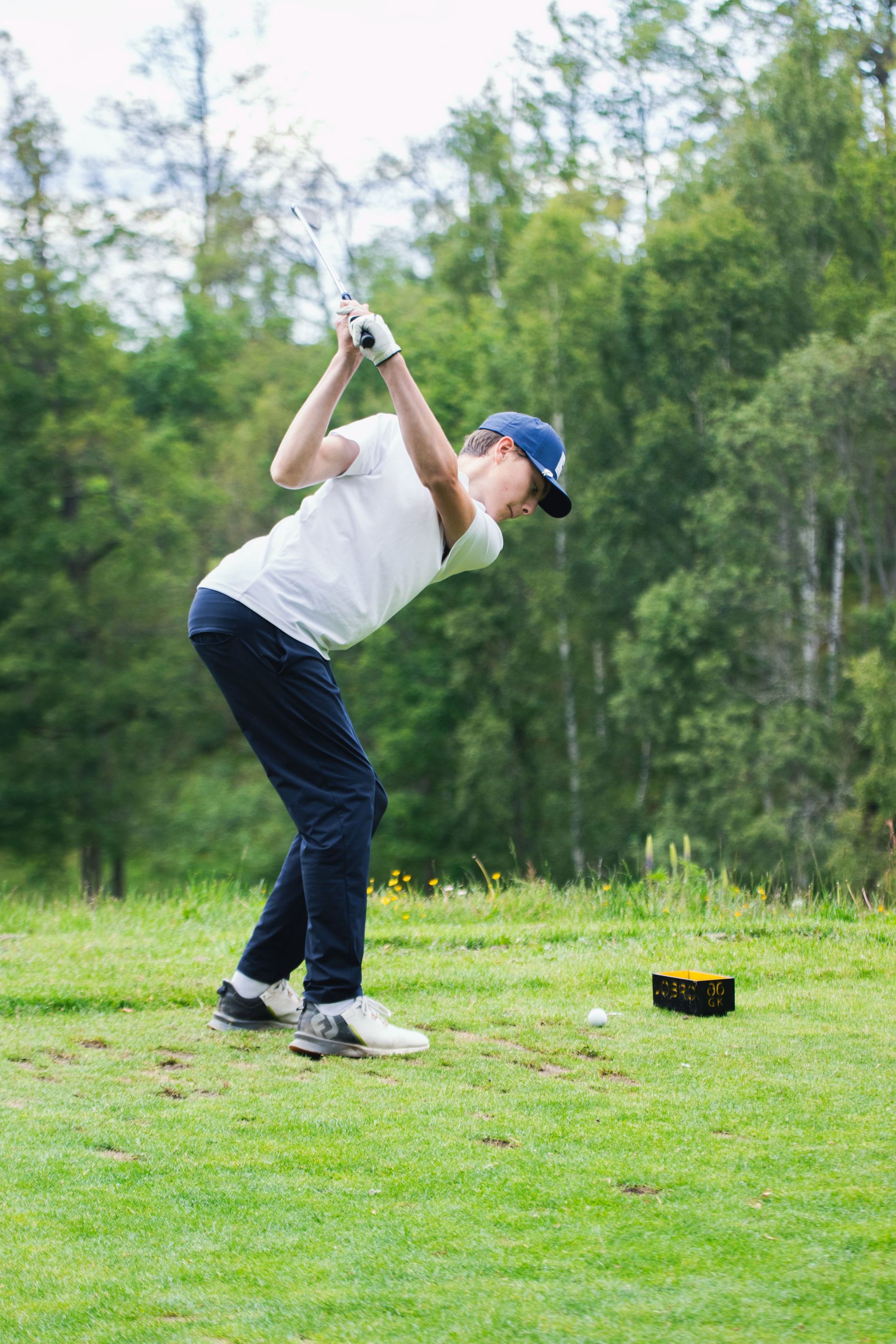
Sports massage is designed around physical activity. Rather than treating every part of the body the same way, the session can focus on muscles that are working hard during a particular sport.
For a golfer, that might mean spending more time on the hips, glutes, lower back, shoulders, forearms, or legs, depending on where tension is showing up. Cleveland Clinic describes sports massage as similar to deep tissue work but focused on muscles that take repeated stress during sports or other repetitive physical activity.
Sports massage may be a good fit if you:
Deep tissue massage uses firmer, focused work to address deeper areas of muscle tension. It can be especially appealing when you have a stubborn tight spot that is there before you play, after you play, and sometimes between rounds.
For golfers, that may include a chronically tight upper back, shoulder tension, hip tightness, or stiffness that builds up from a combination of golf, desk work, driving, travel, and everyday activity.
Deep tissue does not mean the therapist should simply use the strongest pressure possible. Pressure should still be adjusted to your comfort level. Cleveland Clinic advises clients to speak up if massage pressure feels too deep or uncomfortable.
Deep tissue massage may be a better choice if you:
Start with what your body needs most right now.
A focused option for muscles that have been working hard during golf and other physical activity.
A firmer, focused approach for areas of muscle tension that may persist beyond a single round.
Neither massage is automatically better for every golfer. The choice becomes easier when you start with the reason you are booking.
Choose sports massage when the main issue is activity-related recovery. If you played 18 or 36 holes, spent extra time practicing, or are midway through a multi-round Myrtle Beach golf trip, a sports-focused session can concentrate on the areas that worked hardest.
Choose deep tissue when the bigger concern is persistent tightness. If a shoulder, back, hip, or leg has felt tense for weeks, and golf simply makes that tension more noticeable, deeper focused work may be the better starting point.
There can also be overlap. A customized massage can account for recent activity, focus areas, pressure preference, mobility, and how often you play.
After a round is often the most intuitive choice when you want to relax and address muscle soreness. If you are playing again the next morning, tell your therapist so the session can be planned with your schedule in mind.
A rest day can make sense during a longer golf trip or tournament week. It gives you time to enjoy a focused recovery appointment without rushing directly from the treatment room to the first tee.
Before golf requires more individual planning. A lighter session may feel good for some people, while an intense deep tissue session immediately before a round may leave others feeling tender. If you are considering massage before playing, discuss timing and pressure with your therapist.
A 2020 systematic review and meta-analysis of 29 studies found no evidence that massage directly improved strength, sprinting, endurance, or other performance measures, but it did find small improvements in flexibility and delayed-onset muscle soreness. For golfers, that is a useful expectation: think of massage primarily as a recovery and comfort tool, not a shortcut to a lower score.
Tell your therapist when you last played and when you plan to play again. Mention whether you walked, rode, practiced extensively, or played multiple rounds. Point out the areas that feel tired, tight, or sensitive. Also share your pressure preference and any recent injuries, procedures, or health concerns that may affect massage.
After your massage, give your body time to settle. Gentle movement and your normal hydration routine may feel better than jumping immediately into another demanding activity. If you experience unusual or worsening pain, contact an appropriate healthcare professional rather than trying to work through it with more massage.
Myrtle Beach makes it easy to play a lot of golf in a short amount of time. Whether you are a local who plays every week or a visitor fitting several courses into one trip, recovery can help the rest of your schedule feel more comfortable.
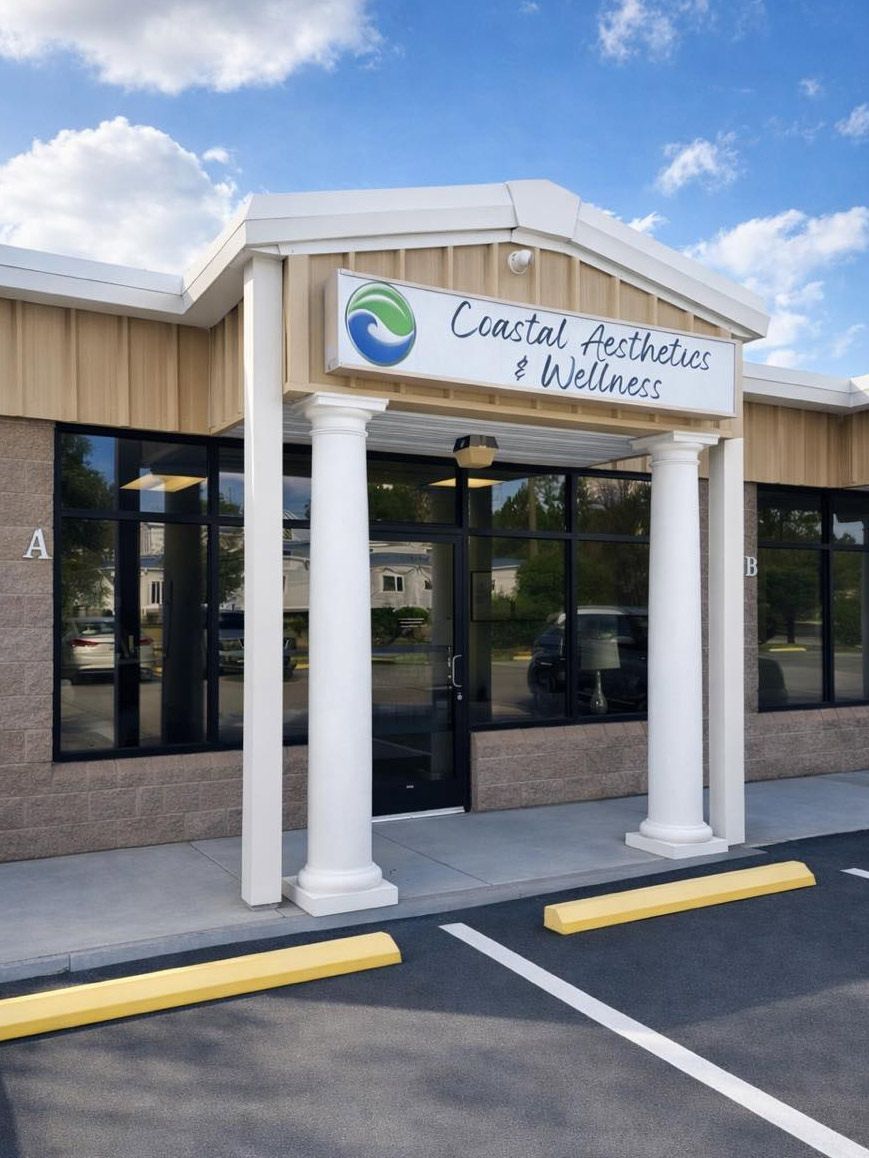
Coastal Aesthetics & Wellness offers massage services in Myrtle Beach from its Carolina Forest location just off Highway 501. Sports massage, deep tissue massage, target massage, cupping, and other customized options are available, allowing the session to be shaped around what your body needs that day.
If you are not sure which massage is the better fit, tell the team what you have been doing, where you feel tension, how much pressure you prefer, and what you want from the appointment.
A great golf day should not have to end with you feeling stiff for the rest of your Myrtle Beach visit. If your body is asking for some attention after the course, a personalized massage can help you slow down, address muscle tension, and make recovery part of the experience.
Explore Coastal Aesthetics & Wellness massage services in Myrtle Beach, or book an appointment at the Carolina Forest studio to find the right session for your needs.
No. Sports massage can be useful for recreational golfers, weekend players, and other active people. The focus is on muscles affected by your activity, not on your handicap or competitive level.
Deep tissue massage uses firmer pressure, but it should still stay within a tolerable range. Tell your therapist if the pressure feels uncomfortable so it can be adjusted.
It may be possible, but timing and pressure depend on your body and whether you are booking before or after the round. Let your therapist know your golf schedule so the session can be tailored appropriately.
Common areas include the lower back, hips, glutes, shoulders, forearms, calves, and feet. Your own symptoms matter more than a standard list, so point out where you actually feel tightness or soreness.

125 Co-Op Rd, Myrtle Beach, SC 29588
*Note! We have a new address starting October 1st!
Mon-Fri: 9am-7pm
Sat.: 9am-5pm
Phone: (843) 796 1769


Affordable Web Design for Myrtle Beach by Ayni Media LLC